Buy it — it’s great!
Category: banjo
Thanks, Pete
You did good. We’ll miss you.
clawhammer banjo for people who have never played anything before
I’d never played any other instrument when I learned the banjo a decade ago. I’m still not entirely sure why I picked up the banjo, beyond the fact that it wasn’t a guitar. So weak were my musical recognition skills that instead of learning the style I really liked (Peter Stampfel’s two finger style) I picked up clawhammer.
So, you’ll need a banjo. Beyond being what you can afford, having five strings, a straight neck with frets that won’t shred your hands, and tuning pegs that don’t slip, it can be anything you want. Almost everyone learns on a Deering Goodtime, just as they did on a Harmony Reso-Tone in the 1960s. There are others: the Gold Tone CC-OT, the Epiphone MB-100; they’ll do. Don’t get anything too heavy at first.
Other kit you’ll need: a strap, a tuner, spare strings, and a metronome (maybe). Nails on your right hand kinda help. It helps to swap out the fifth string for a heavier gauge. Most beginner banjos come with a 0.010″ string, while a 0.012″ is much stiffer and won’t squirm about under your thumb.

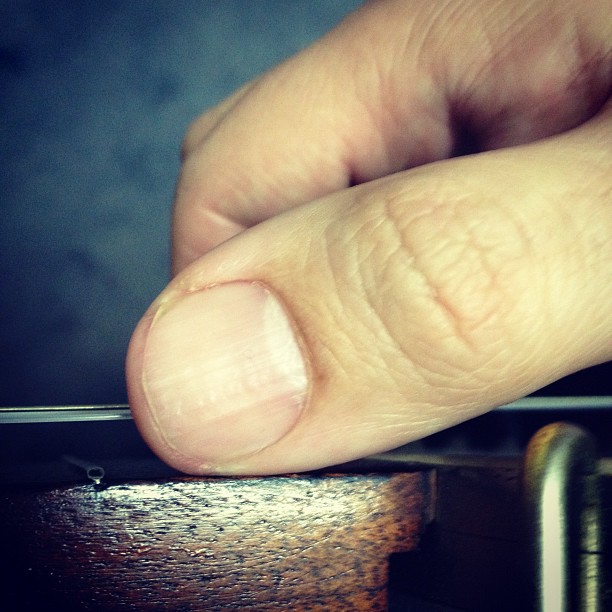

Three banjos, same thumb
The key to clawhammer is that your thumb lives on the fifth string. No matter what you do, your thumb always returns to the fifth string. Is the action on your banjo high enough to make the fifth home for your thumb? If not, a taller bridge is a cheap way of fixing this.
Find a teacher, and get a couple of lessons, just so you know how to hold the thing and do some very basic frailing strums. As Peter Stampfel said: “Find a teacher whose playing you like — who is not a jerk”. I found Chris Coole:
Players I like? Apart from Coole, there’s:
Kyle Creed
http://www.youtube.com/watch?v=_nzi6qXb5pU
Reed Martin
(and before you complain about your banjo not being good enough, Reed’s playing that on a very basic Gold Tone.)
Cathy Fink
(and, perhaps slightly unfairly because she had the world’s worst cold at the time, here are Cathy and the Banjo Puppets … the cold didn’t seem to slow her down any.)
Clifton Hicks
Need lessons and can’t get to a teacher? There’s Chris Coole’s DVD. Donald Zepp‘s videos. Many teachers offer Skype lessons.
You don’t need chords for clawhammer banjo. I’m barely aware of what they are (and with only 4½ strings and no sustain, they don’t sound great on a banjo). You’ll end up knowing more tunings than chords. That’s okay.
Banjo Hangout is both a resource and a trap. If in doubt, play banjo instead of reading BHO.
You may never get great at this. That’s okay; it’s not a destination. As Peter Stampfel said, I like “… the idea of something you’ll never finish”.
(and if you really do want to learn two finger style, Sean’s Thumb-Lead Banjer is great. It’s a totally different style from clawhammer, but it’s part of the old time canon.)
New toy …

Banjo at home
Got some better pictures of the banjo yesterday. And sounds, too!
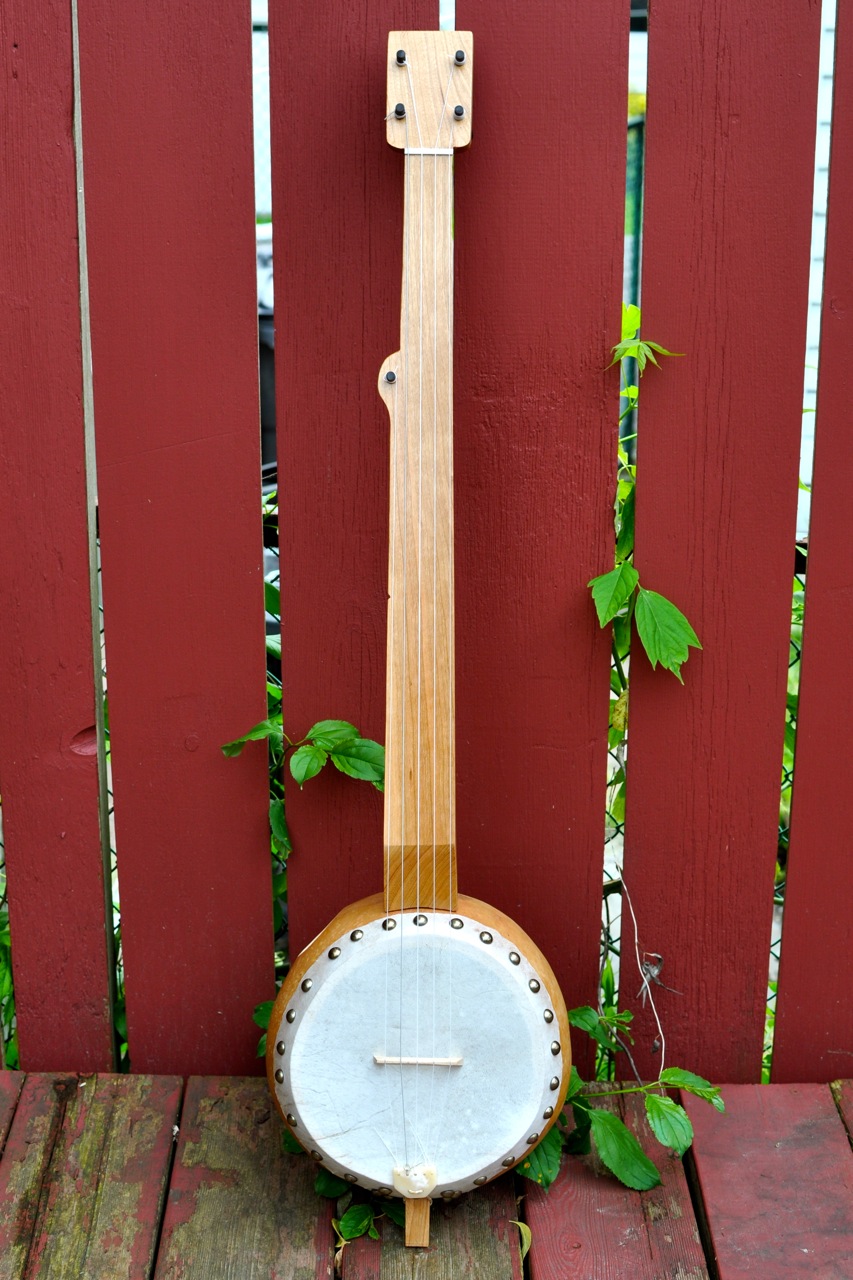
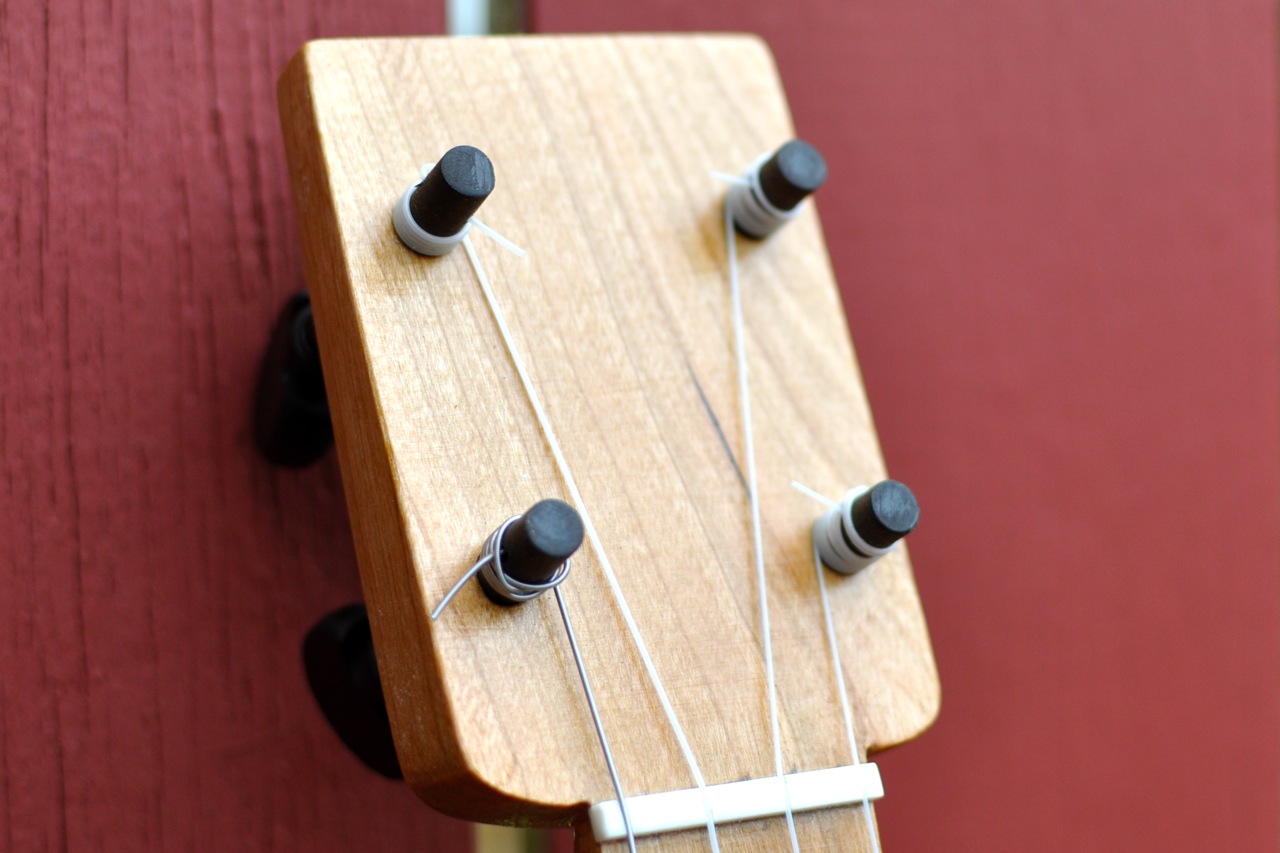
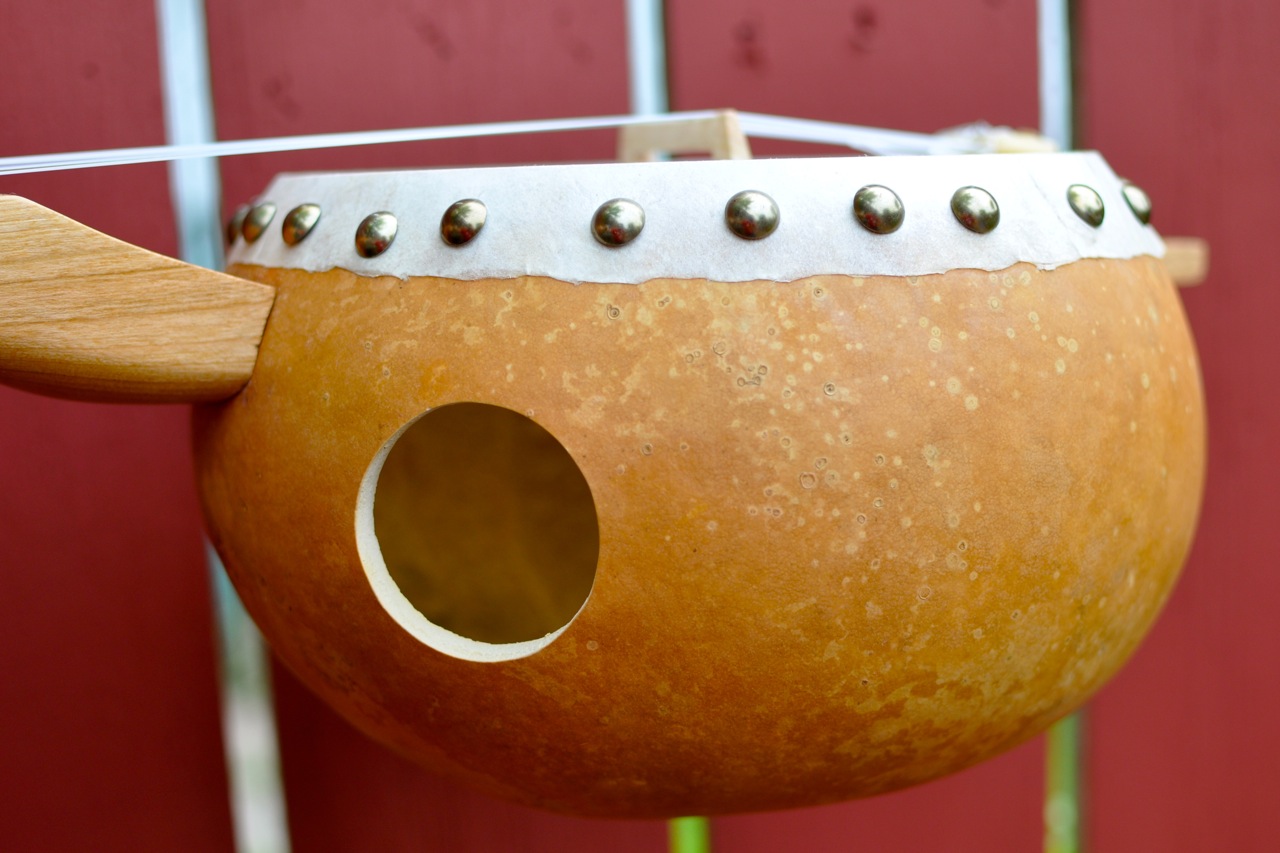
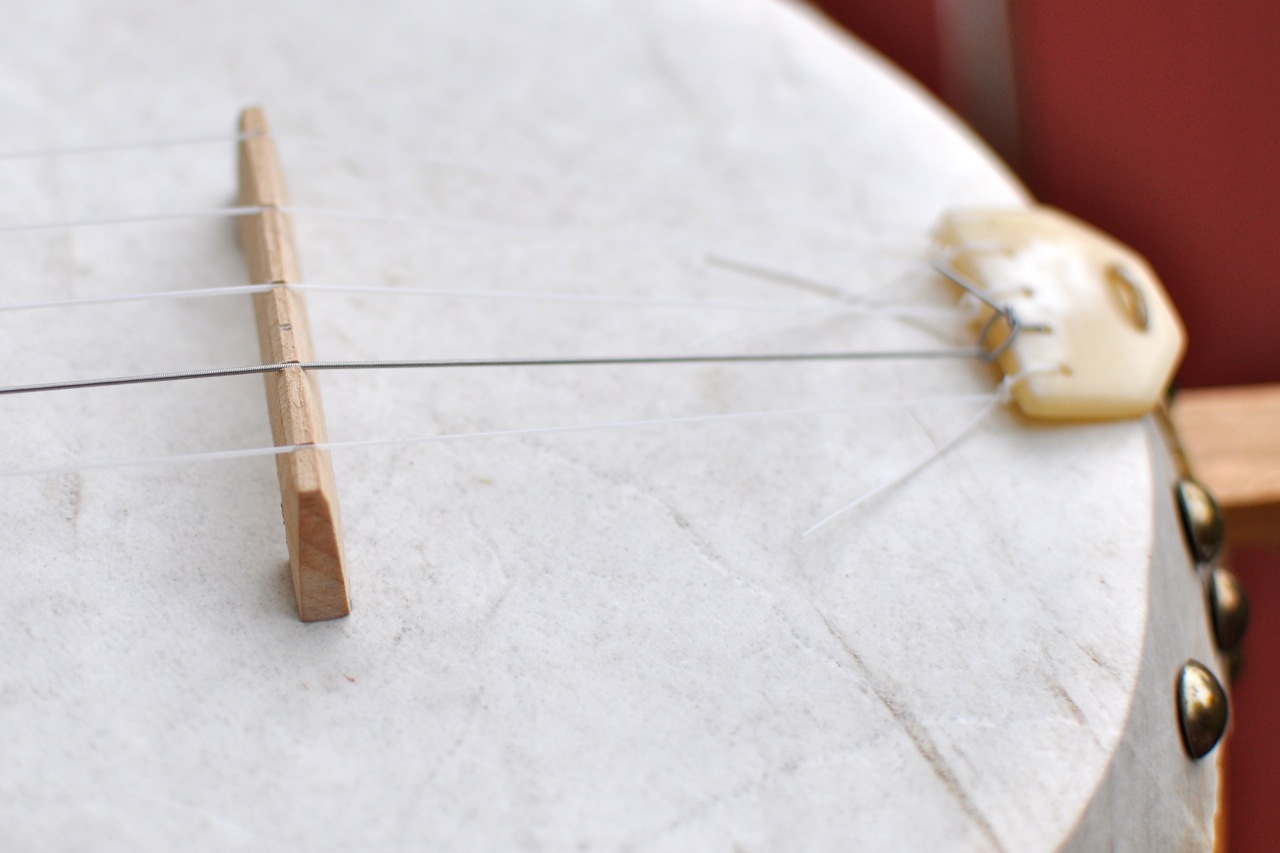
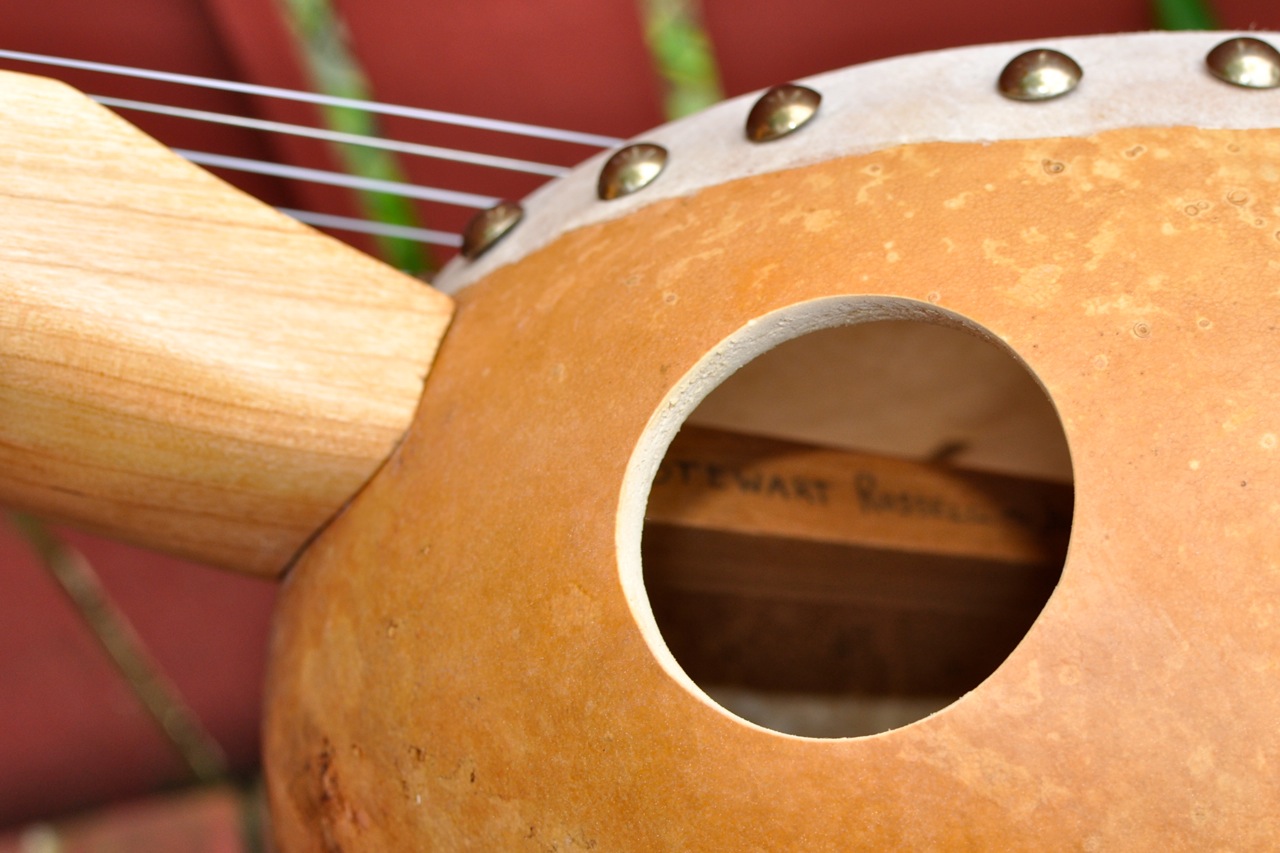

Please excuse the ropeyness of the following playing; I’d never played fretless until I built this:
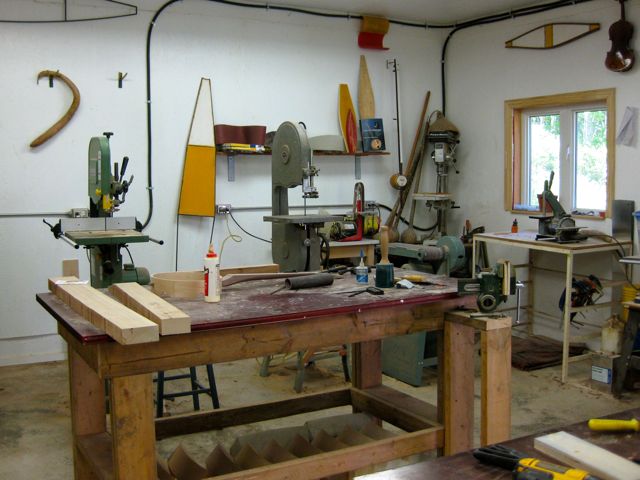
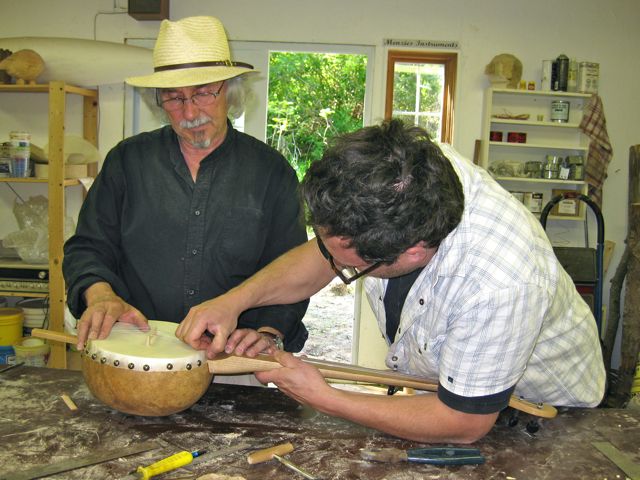
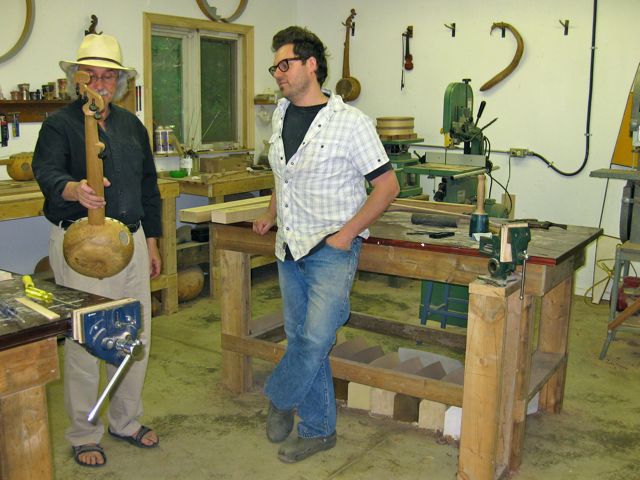
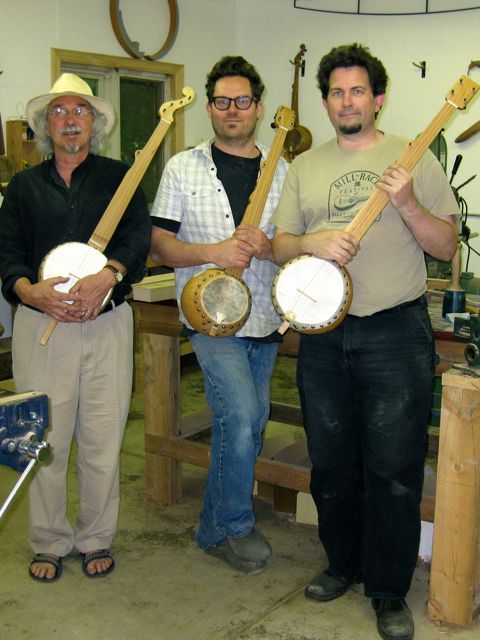
Gourd Banjo workshop, day 5: the last day and the finished product
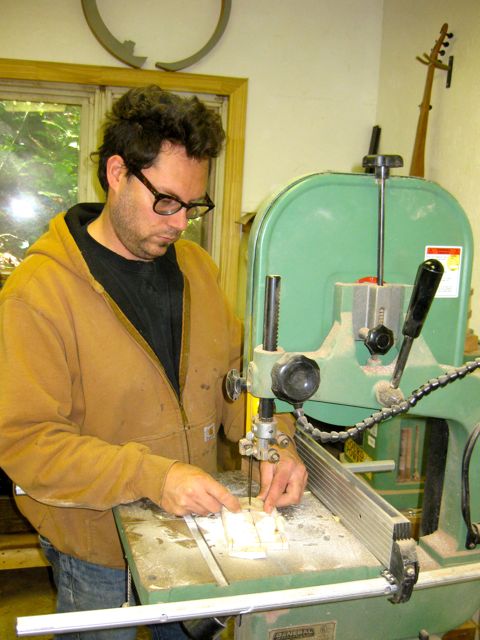
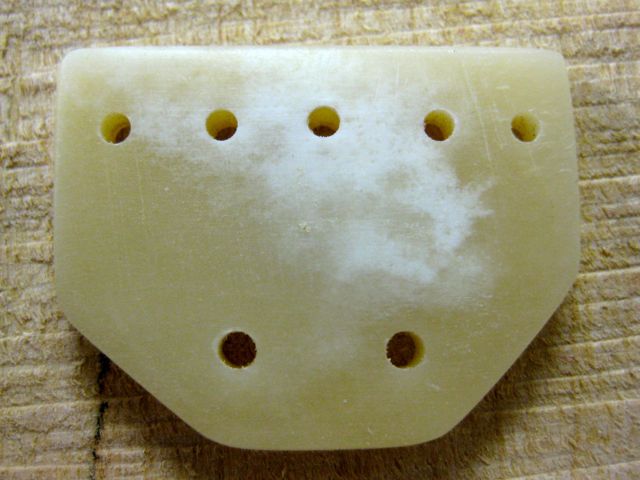
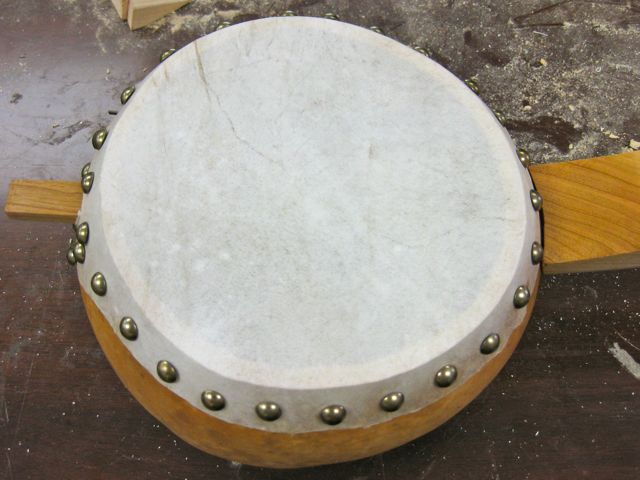
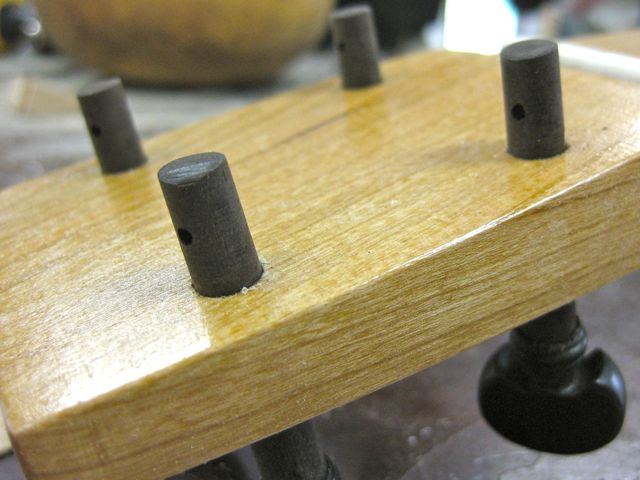
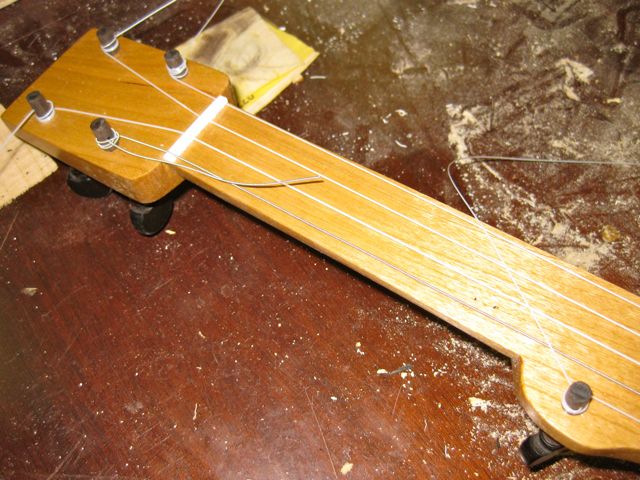
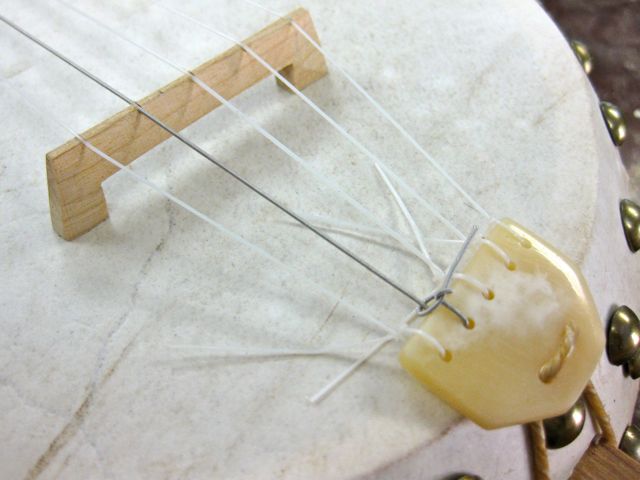
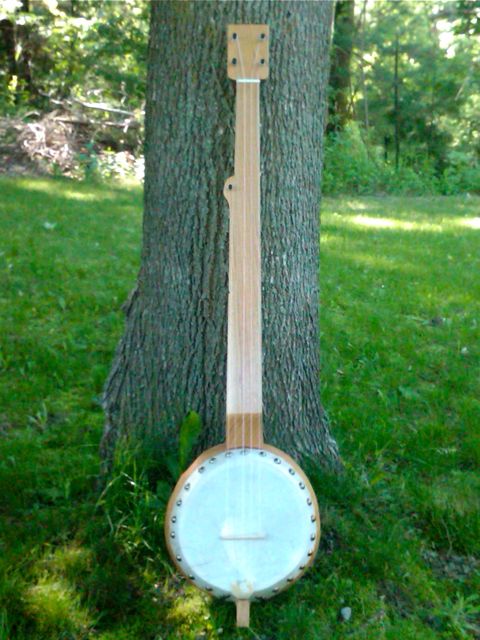
Gourd Banjo Workshop, Day 4
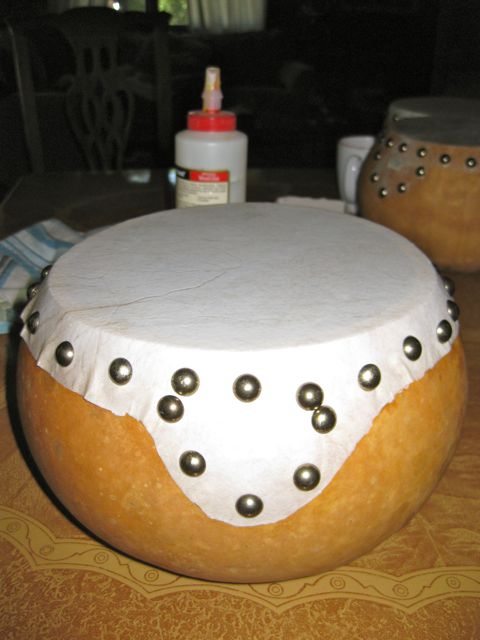
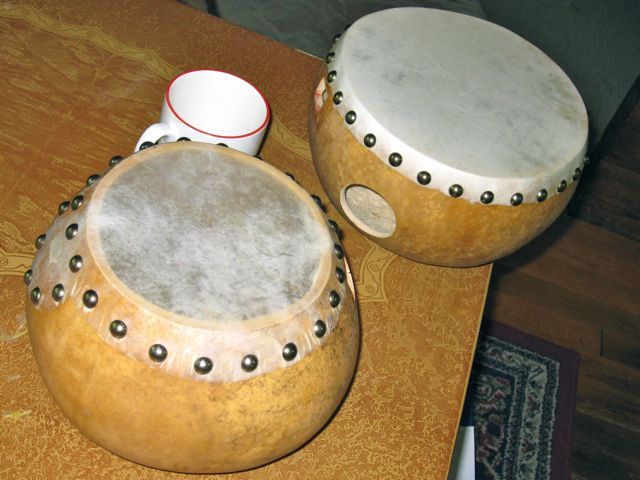
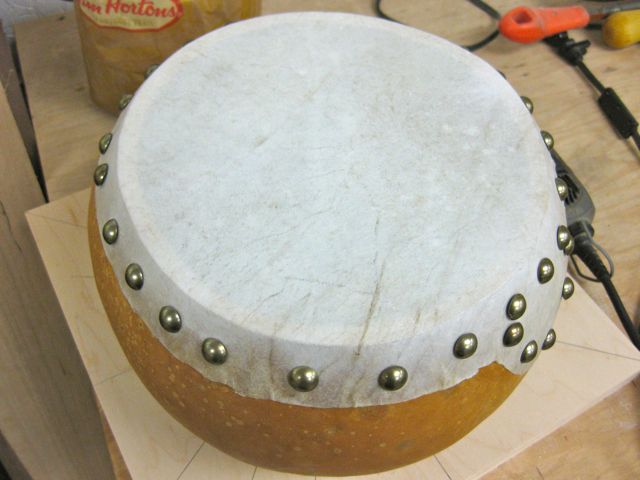
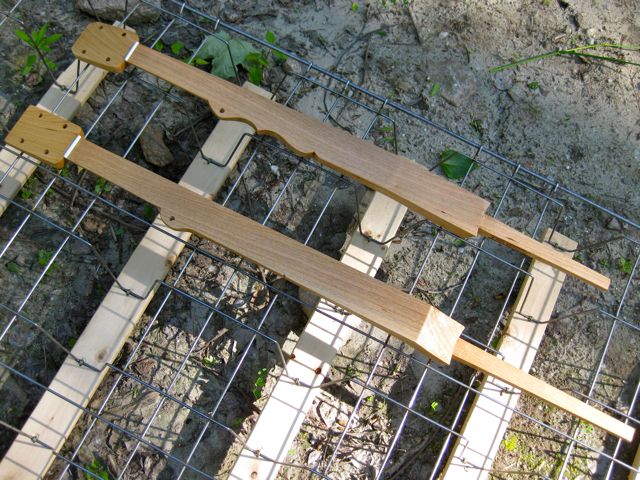
Gourd Banjo Workshop: the third day
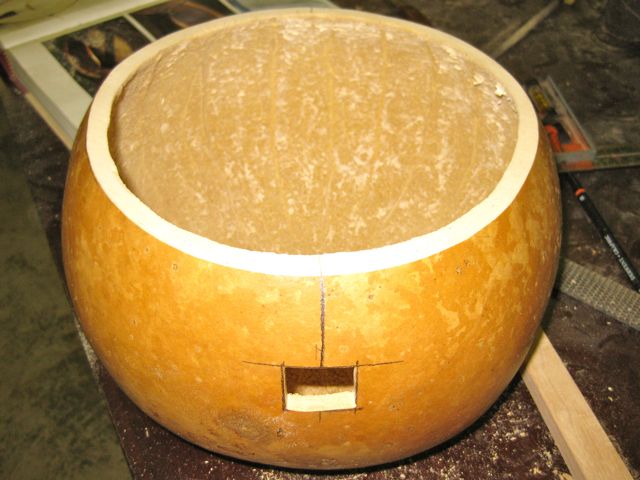
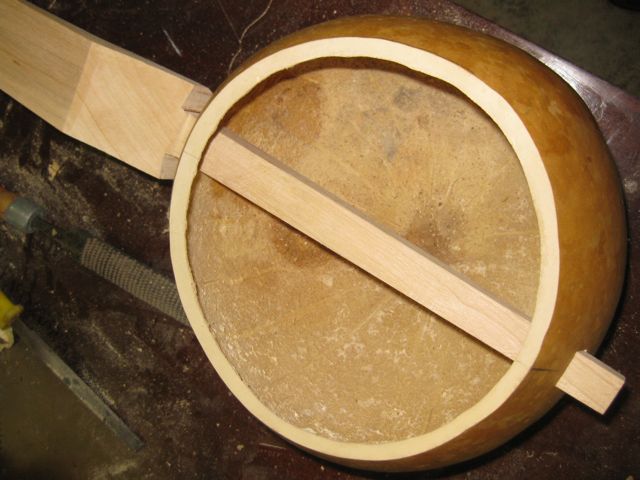
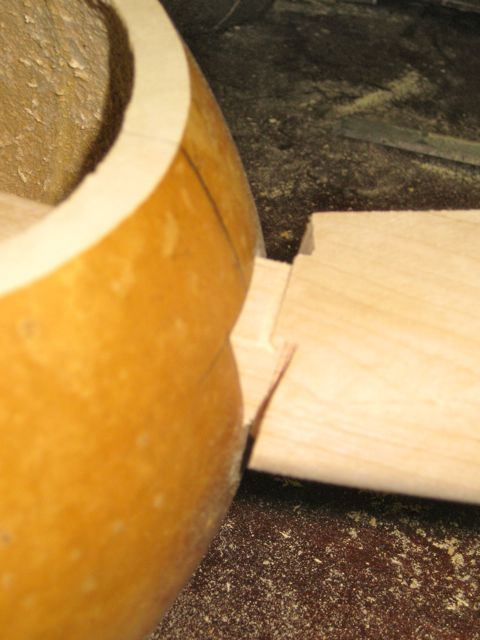
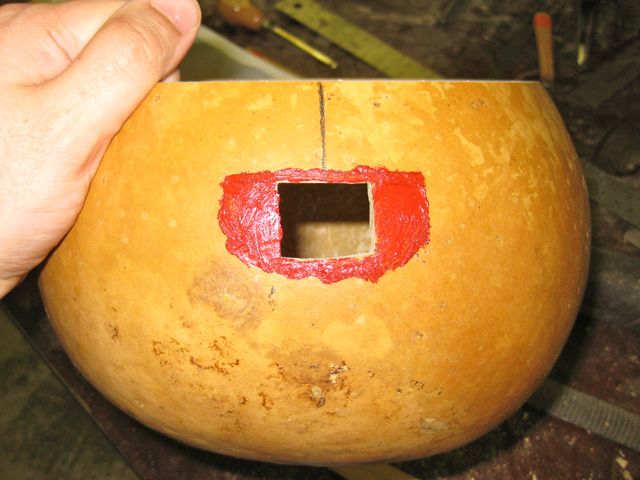
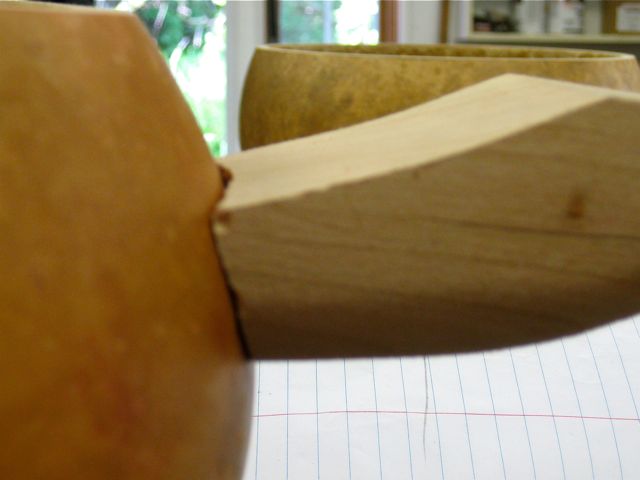
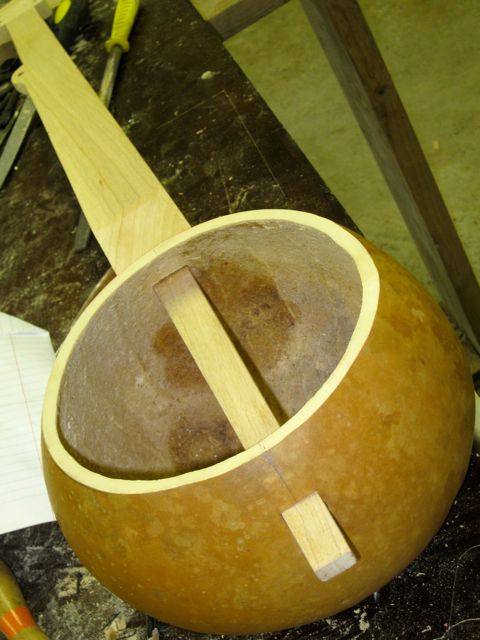
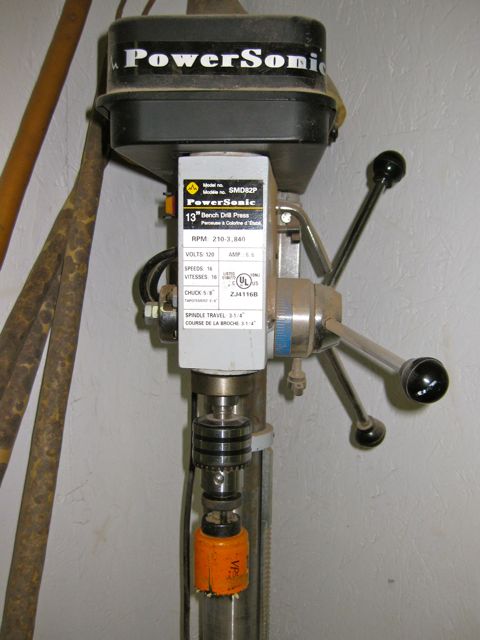
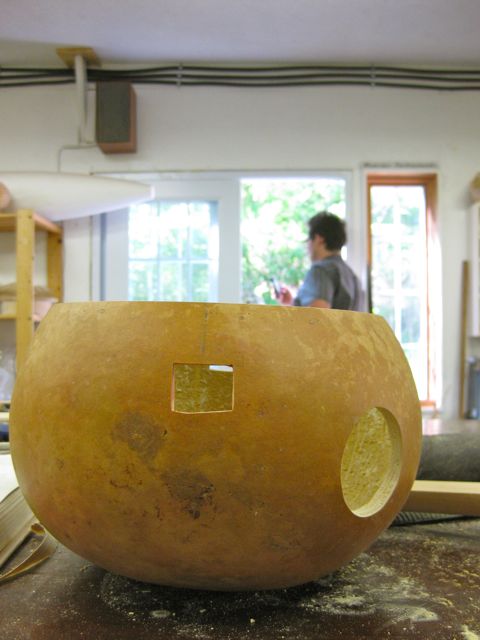
Gourd Banjo Workshop: Day 2
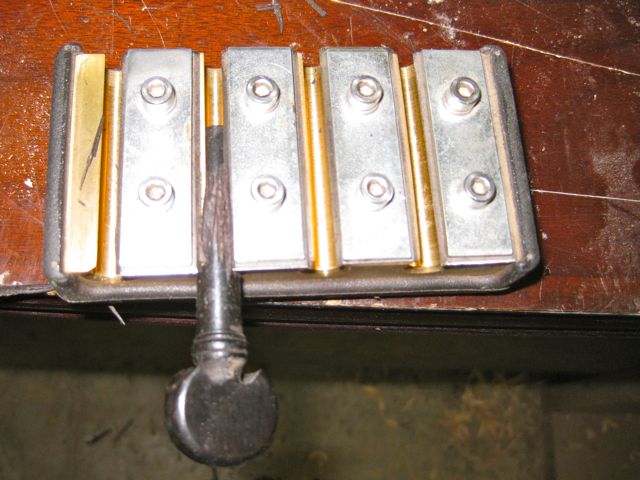
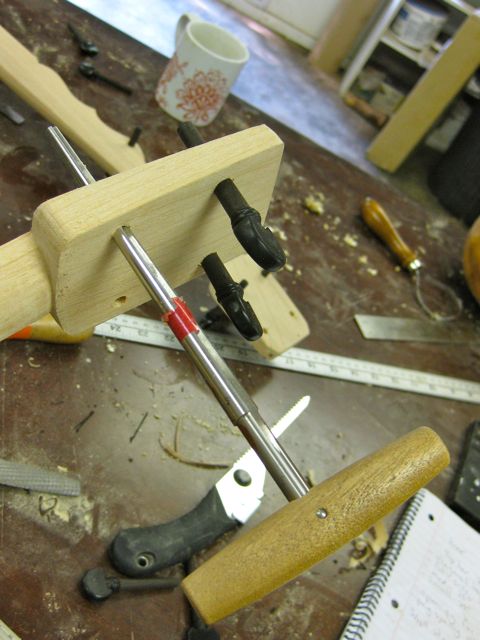
Gourd Banjo Workshop, day 1
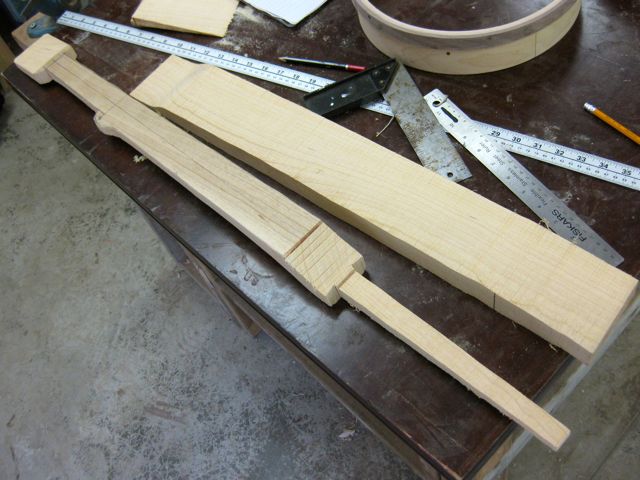
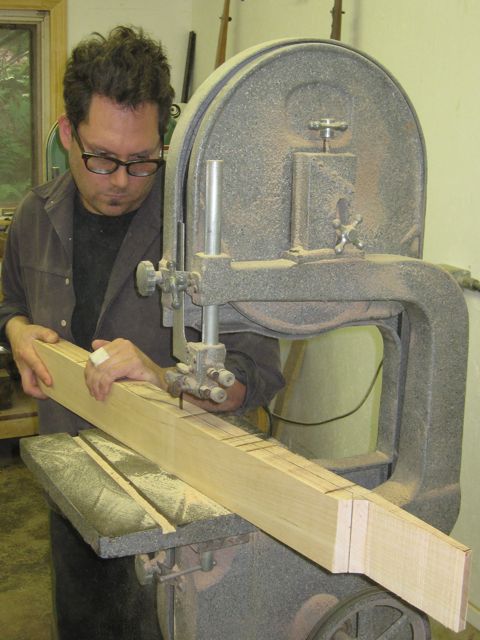
I’m taking a gourd banjo building workshop at Jeffrey Menzies’ place up near Innisfil.
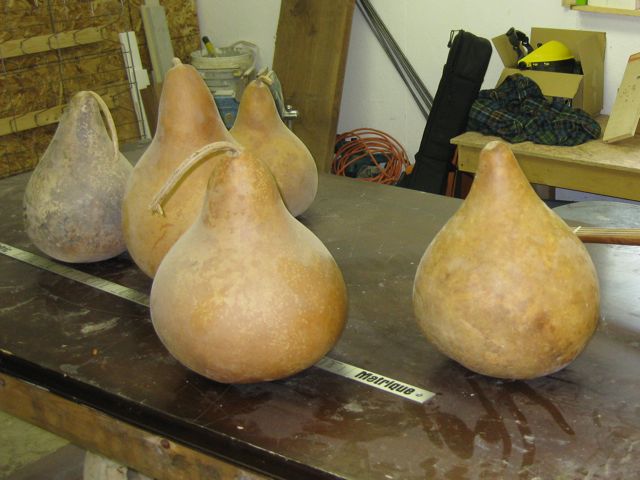
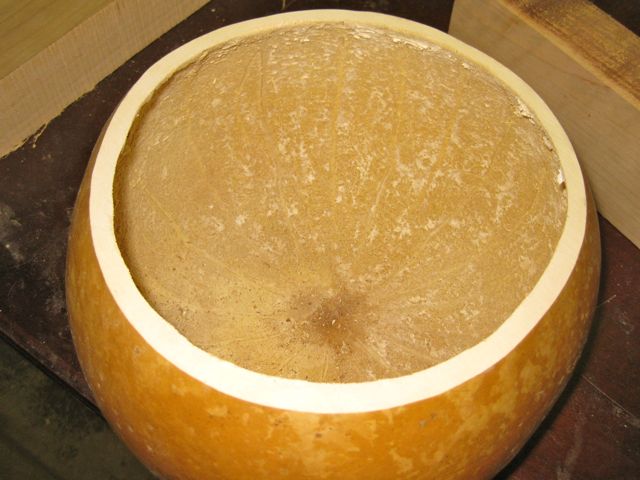
Walking in the Parlour
My timing’s a bit off, but here’s my version:
Stewart C. Russell - Walking in the ParlourPlayed on the G C Dobson, tuned gCGCD.
restored to life!
Got the banjo restoration project back from Hugh Hunter. I have to say, he did an excellent job:
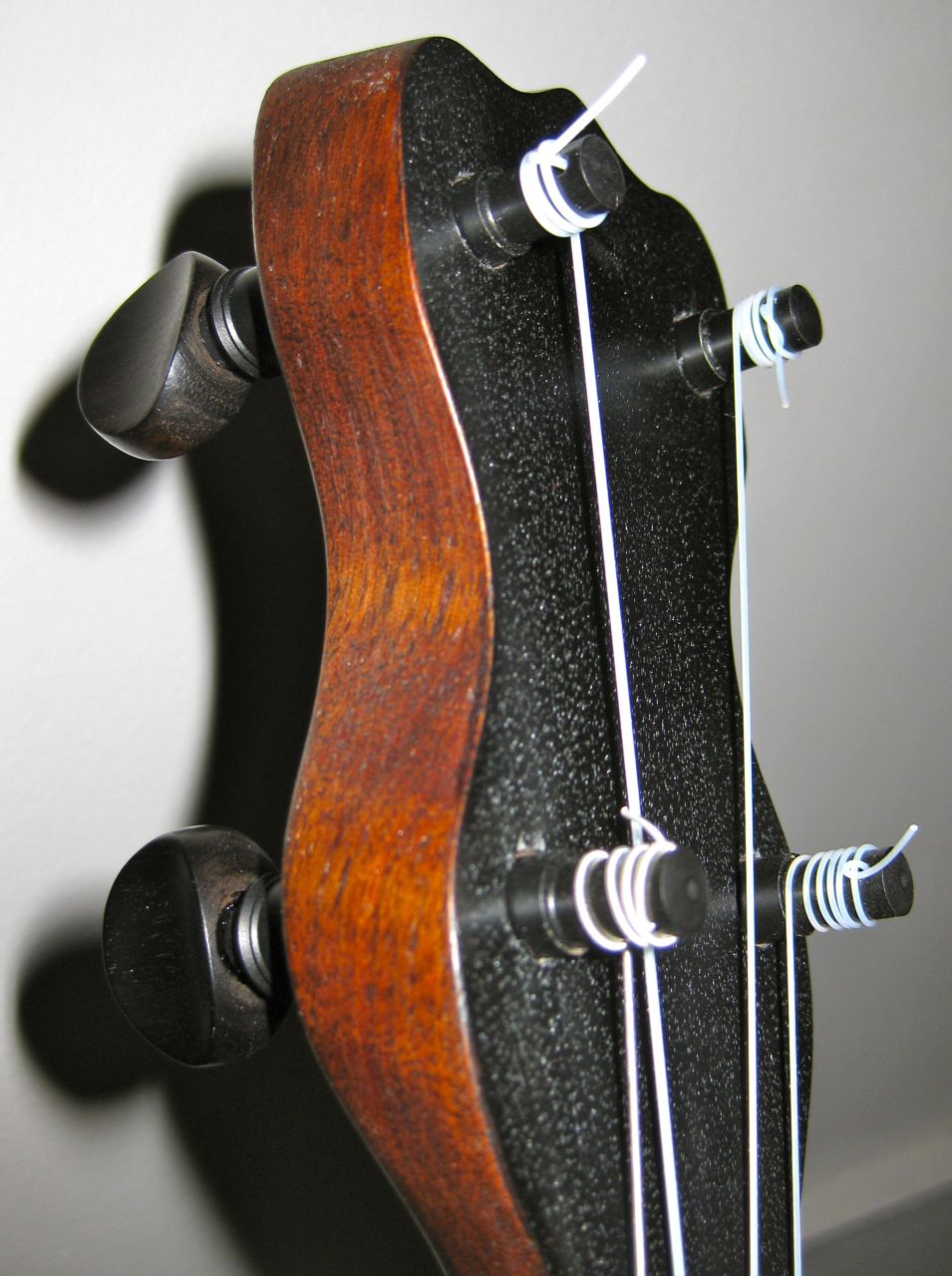
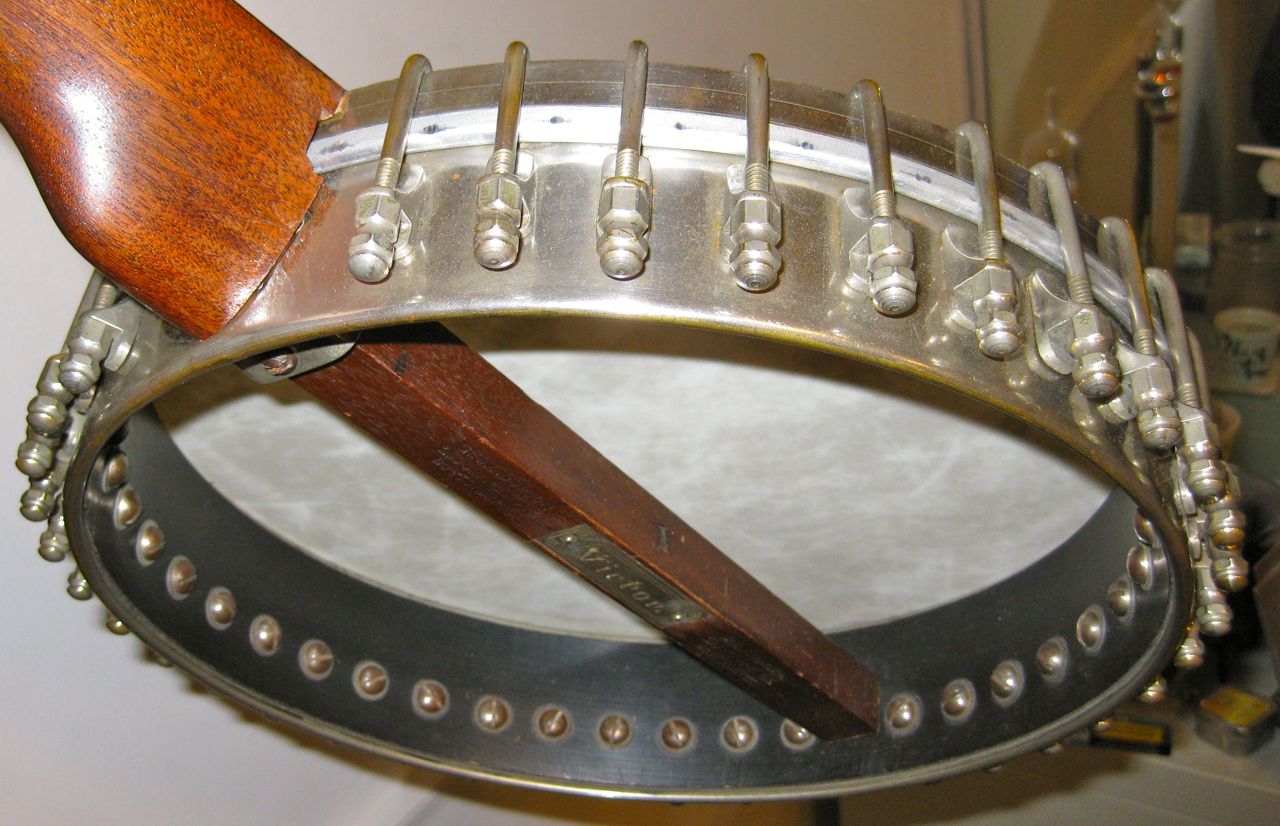
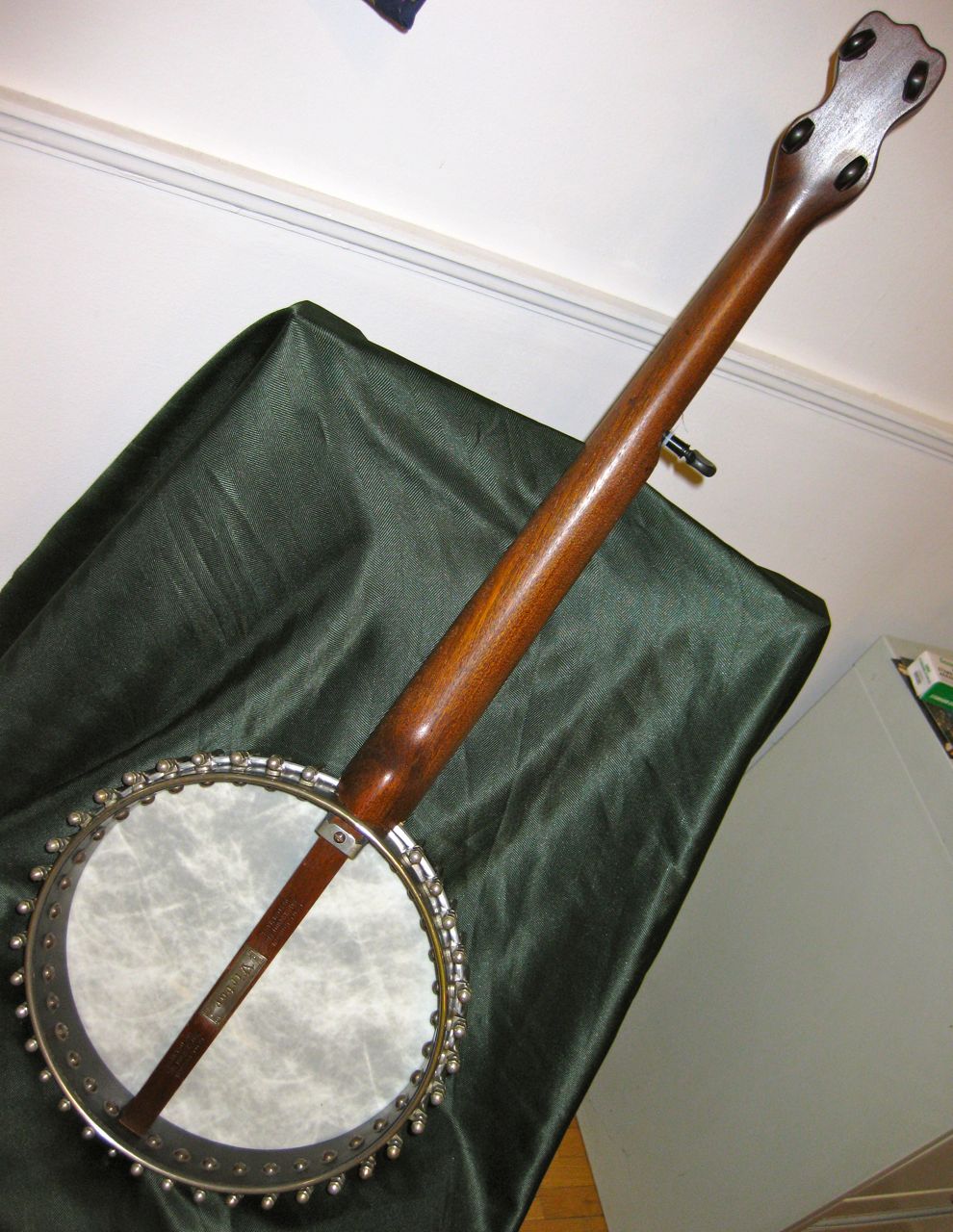
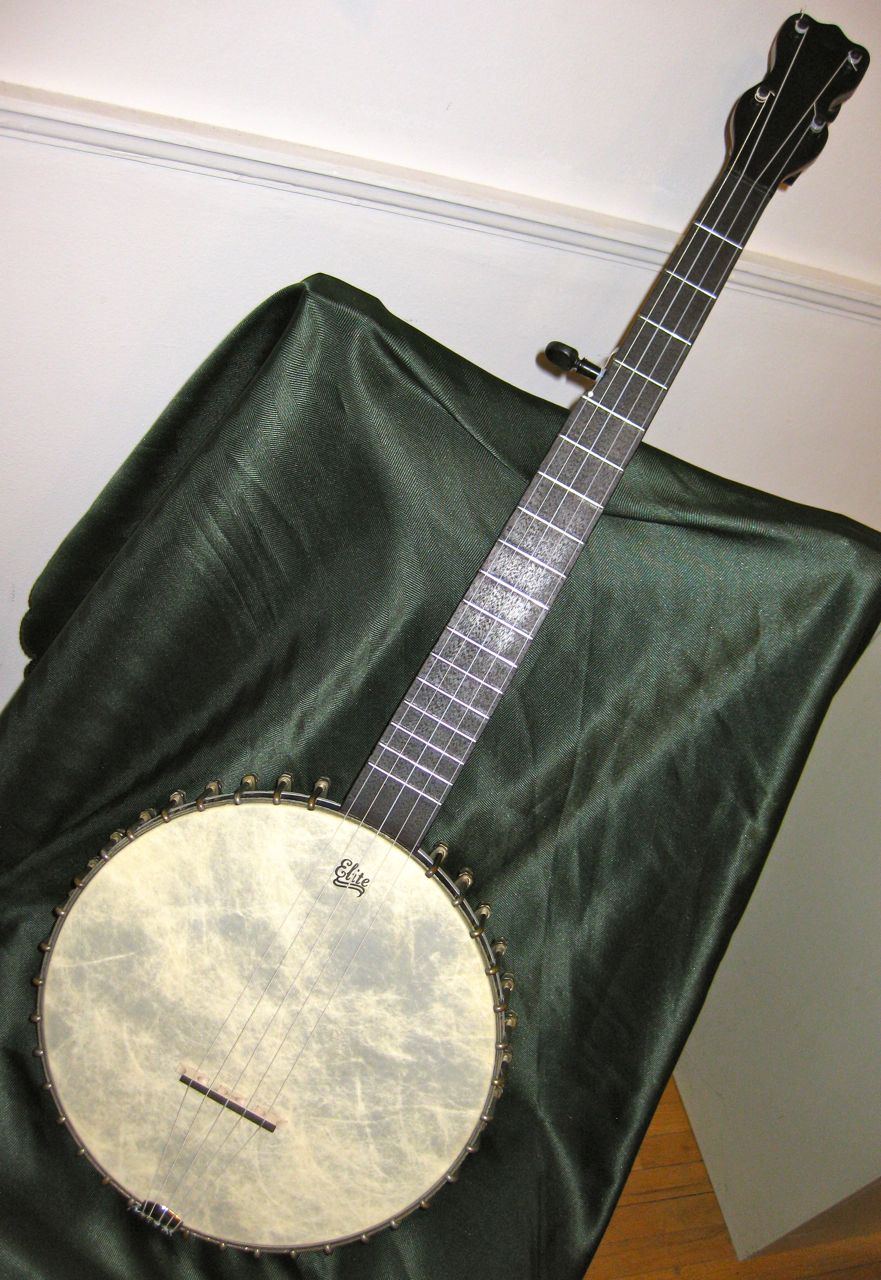
This must be around 120 years old, but it’s held up well to some hideous misuse.
Rowe Chester Banjo Capo
Mike Rowe sent me a pre-production prototype of the Chester Banjo capo.
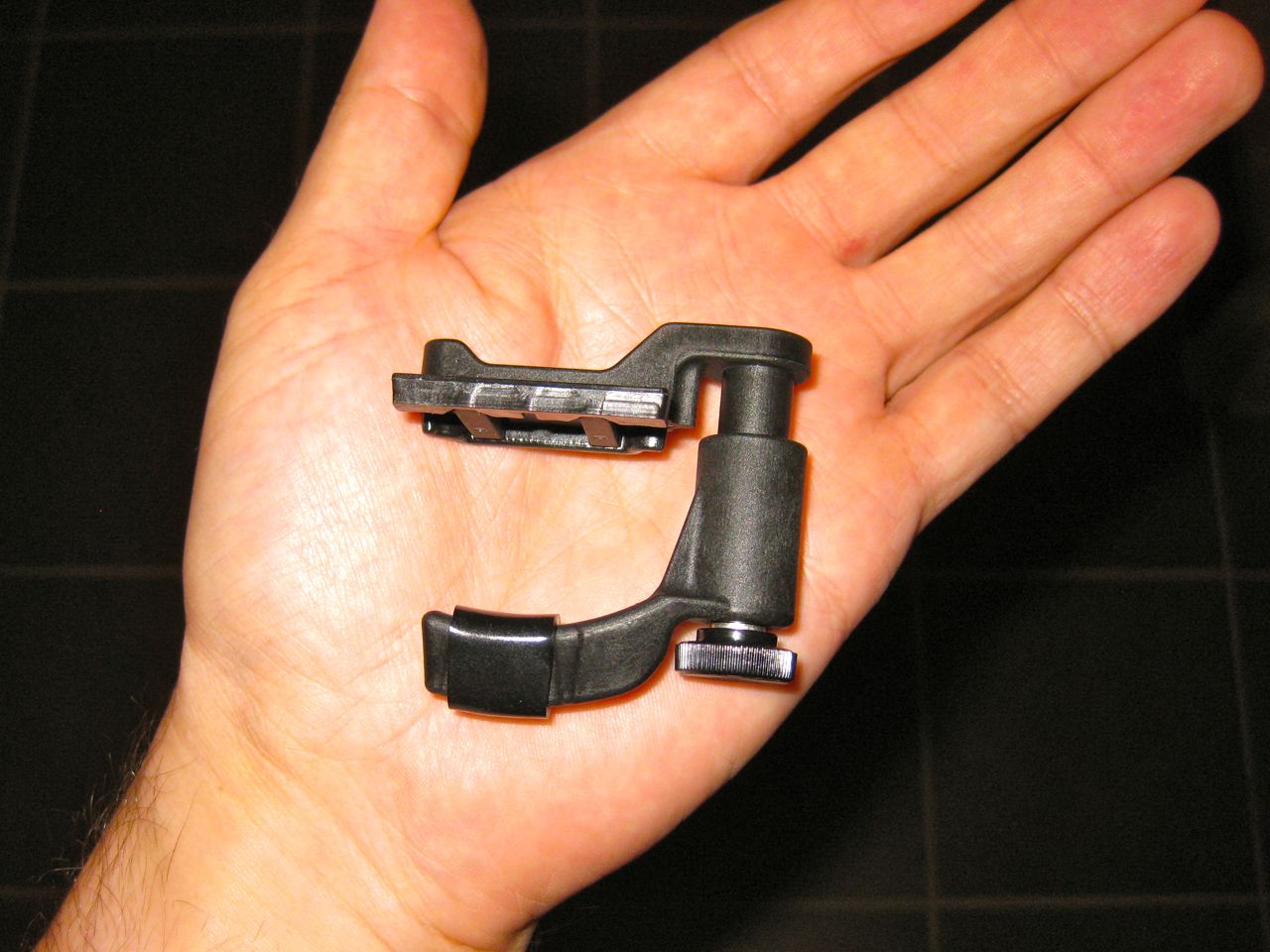 It’s rather cleverly made from glass-filled nylon. This early version hasn’t had the mould polished, so it has a matte finish. It’s very light, uses a very precise (if a smidge slow) thumbscrew to tighten it, and clamps down in two places on the fretboard.
This two-point contact means that it doesn’t pull the strings so far out of tune as a regular capo. You can shift the Rowe capo about a lot before you need to retune. Being a long neck banjo player, I capo a lot. Any extra weight on the banjo isn’t welcome either.
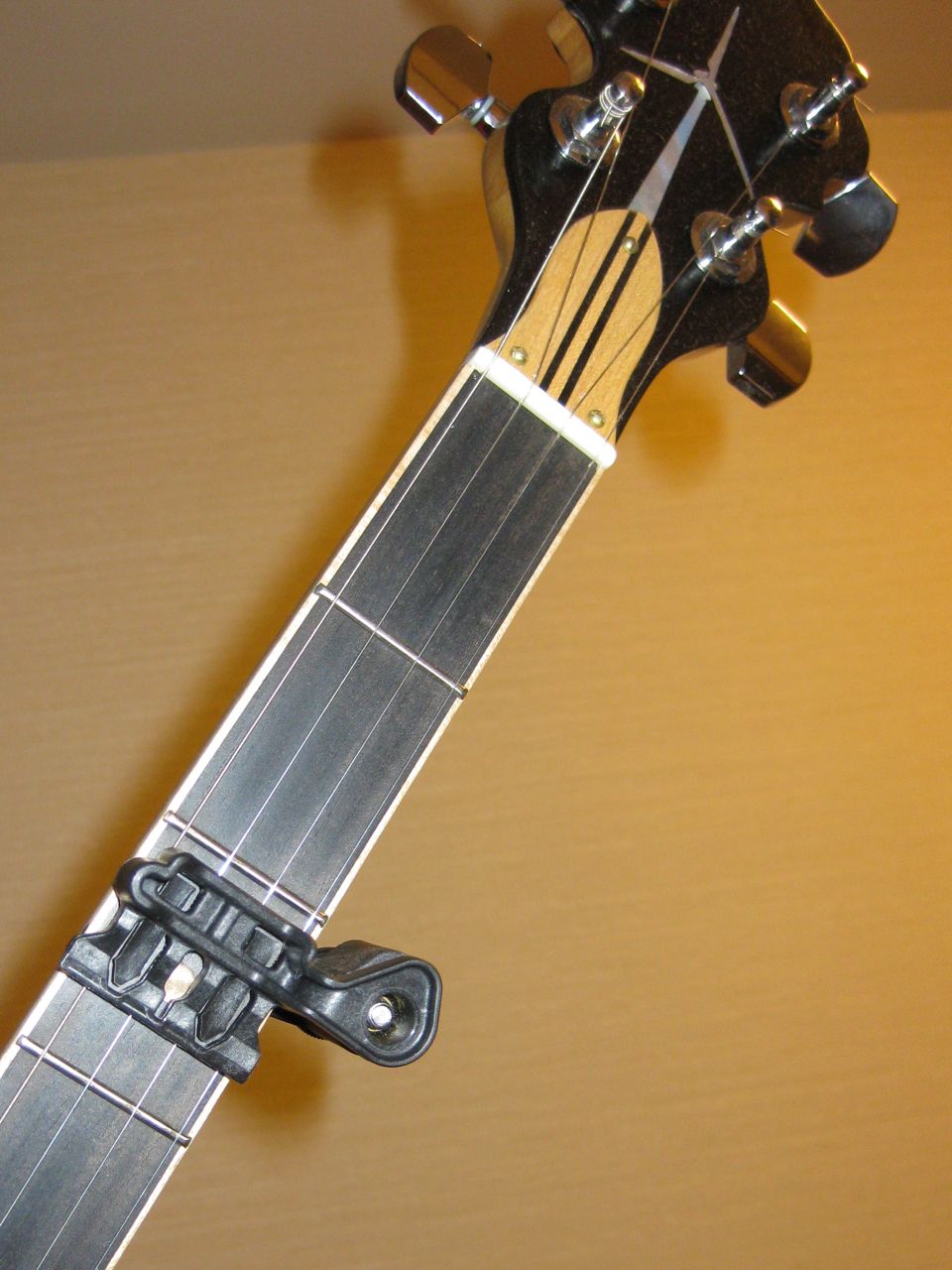 It works best quite far back from the fret. Some familiarity is required to get just the right tone, else string buzz can be a problem. Tweak down the screw and level the capo, and all should be bright again.
One really neat thing about the Rowe capo is its shape. It allows you to use it very far up the neck, and you can still fit your hand in. Here’s me playing what I think is an F# chord with the banjo capo’d to C# at the 9th (long neck) fret:
 Plenty of room for my hand. I rather like the Rowe capo, and many thanks to Mike for letting me try it out.
banjo restoration project
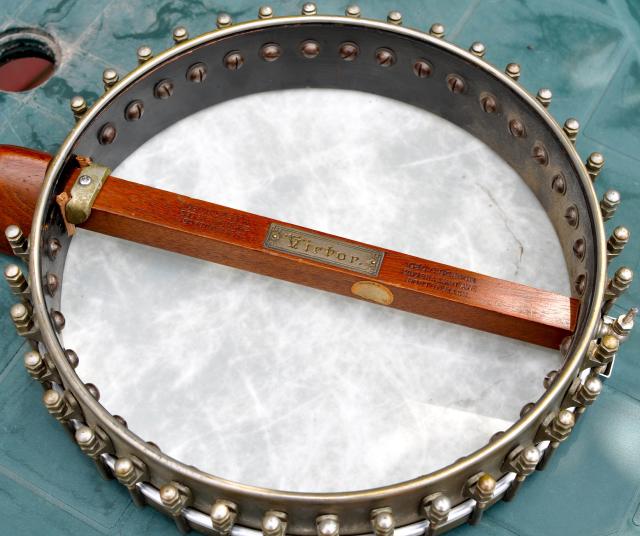
(image links to photo gallery)
Just picked up an interesting project banjo. It’s an 18 fret Geo. C. Dobson spunover rim model. It’s been through the wars a bit, but I think it’s salvageable:
- Someone though it would be a great idea to reshape the peghead, somewhat inexpertly, with a rasp.
- The dowel stick isn’t fitted correctly.
- Friction tuners were pressed directly over the (rather nice) taper peg holes. I think I’ll replace ’em with Pegheds.
- The fifth string tuner hole and pip are a disaster.
But if I manage to look that good at 120+ years old, I’m not going to complain.
Old Man Luedecke instore
Old Man Luedecke just gets better and better. Here’s a half-hour instore he did at Criminal Records last week.
Old Man Luedecke - Criminal Records (Toronto) instore, 2010-04-08“keep your guitars close but your banjos closer”
extremely silly classical banjo piece
the scoop
Got my banjo back from Hugh Hunter, who had added a really nice neck scoop by taking out a few frets:
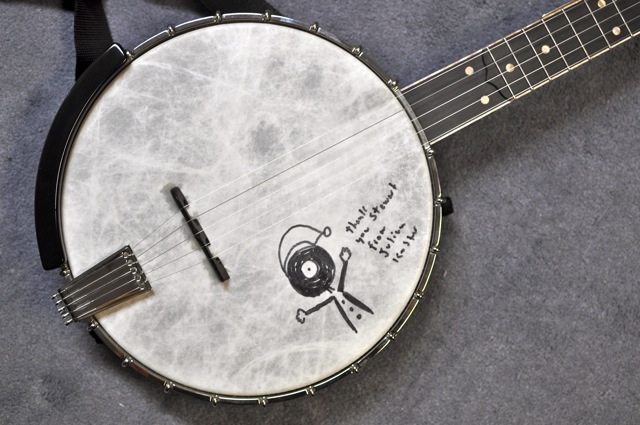 Hugh also fitted a BanjoMate Thinline Armrest, which is a ton better than the one that was on before.
she did a banjo album? she did a banjo album!
… There are lots of instruments that I’d always really wished to own or be able to play, a piano, a cello, a harp, a clarinette… but I would never had expected that one day I could fall in love with a banjo.
Yes, Julia Kotowski did a banjo album, and it’s free to download: Entertainment For The Braindead – Roadkill.
This puts me in a huge listening dilemma today, as Kyle Creed’s Liberty arrived yesterday. Which to listen to first?
embedded Old Man Luedecke
Old Man Luedecke plays The Rear Guard in Toronto a couple of nights ago:
So if that didn’t work, here’s the YouTube video:
I took this with my little PowerShot SD790 balanced on a sugar bowl. Cropped and recoded in Avidemux2, it’s not bad. To get the embedded video above, I used ffmpeg2theora (thanks, Daring Fireball!).
Whatever you do, don’t – on your first try of recording live video – try using a setting you’ve never investigated. For the second set, I used CHDK‘s default video. It looks like an attack of mosaic tiles. Oh well.