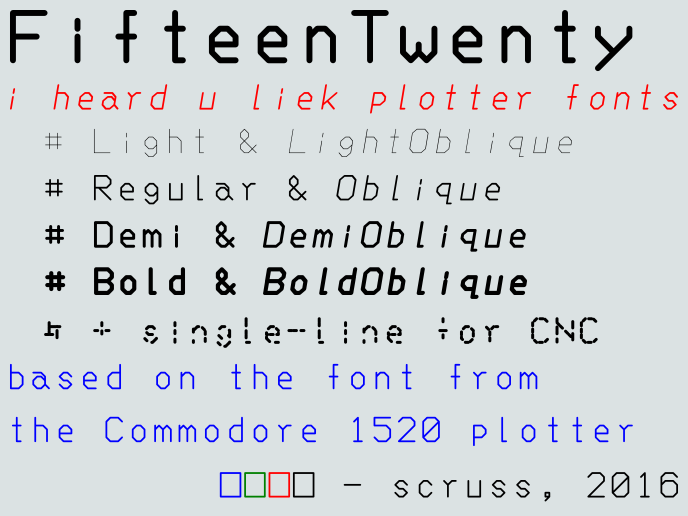
Use it / download it here: FifteenTwenty on fontlibrary.org
Download it / fork it here: scruss/FifteenTwenty on github
Local copy: FifteenTwenty-master.zip (268K; includes FontForge sources)
Use it / download it here: FifteenTwenty on fontlibrary.org
Download it / fork it here: scruss/FifteenTwenty on github
Local copy: FifteenTwenty-master.zip (268K; includes FontForge sources)
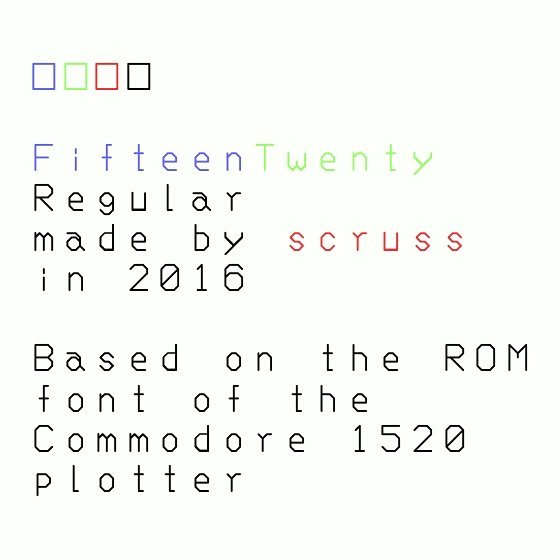
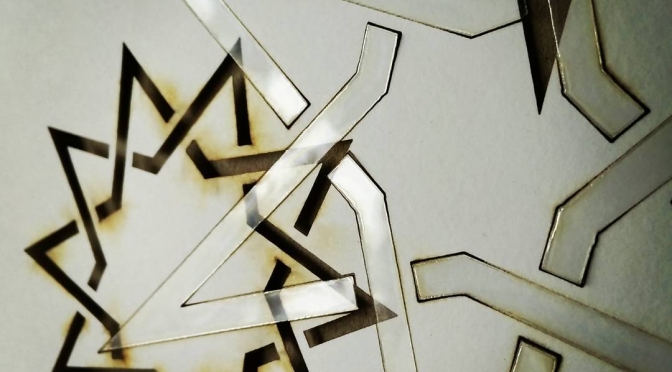
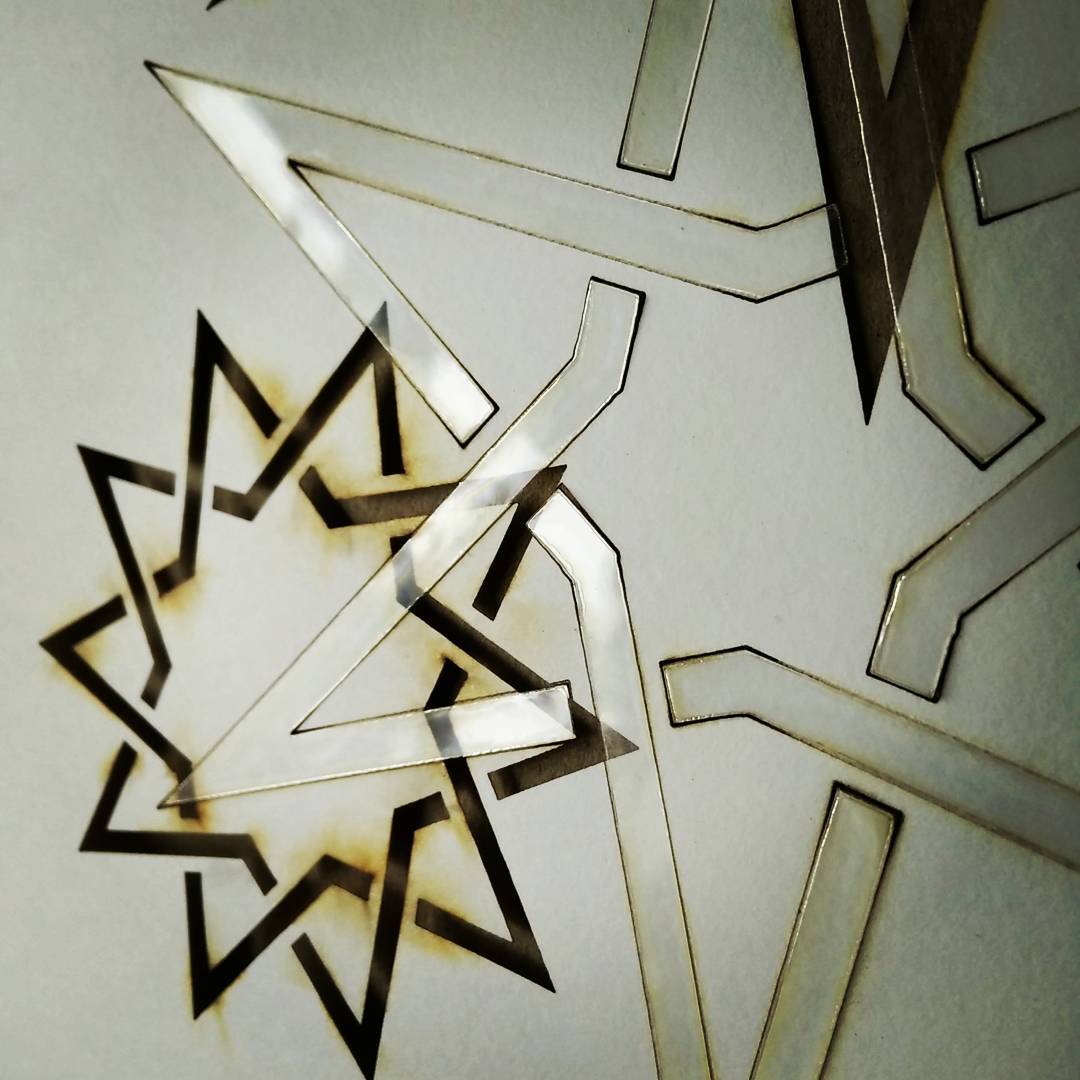
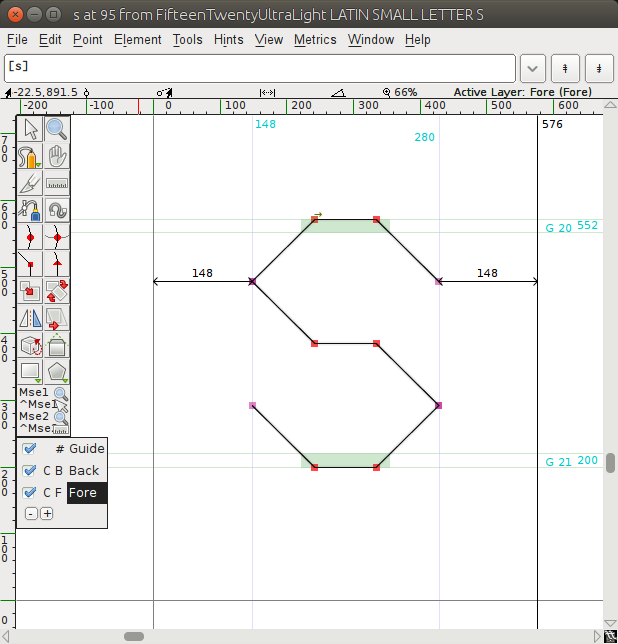 Following on from FifteenTwenty, I made a hairline/single stroke version of the font especially for CNC use. This is a slight misuse of the OpenType format, but if you’re plotting/CNCing/laser cutting, the filled paths of standard fonts don’t work so well. Single-line (or stroke) fonts used to be possible in PostScript — the version of Courier shipped with early Apple LaserWriter printers was composed of strokes, rather than filled paths — but have fallen out of favour. If you have a device with a defined tool width, it’s better to let the tool make the width of the mark/cut. Here’s the hairline font plotted with a 0.7 mm pen to illustrate what I mean:
 This font is almost invisible on screen or on a regular printer, so I don’t recommend installing it unless you have specific CNC/plotting needs. Please note that the font will cause your device to follow the tool path of each letter twice.
Download: FifteenTwenty-master.zip FifteenTwenty-UltraLight.zip (or more options …)
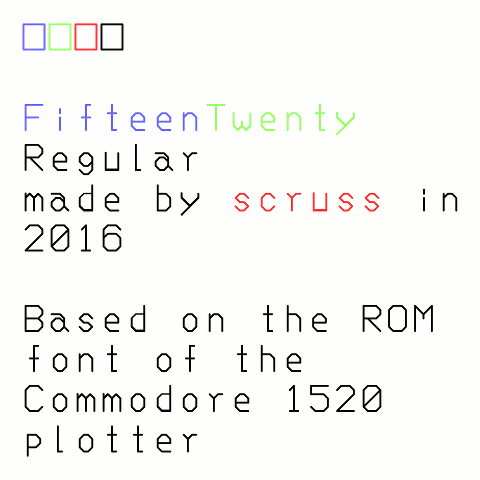
For the impatient: download FifteenTwenty-master.zip FifteenTwenty-Regular-OTF.zip (or more options …)
Updated: now with all ASCII glyphs!
Update, September 2016: this font was officially squee‘d over by Josh “cortex” Millard on the Metafilter Podcast #120: Hard Out There For A Nerd. I had the great pleasure of meeting Josh at XOXO 2016, too.
The Commodore 1520 was a tiny pen plotter sold for the Commodore 64 home computer. It looked like this:
.jpg#/media/File:Commodore_1520_printer_plotter_(adjusted).jpg)
I never owned one, but it seems it was more of a curiosity than a useful product.
From a nerdy point of view, however, this device was rather clever in that it packed a whole plotter command language, including a usable font, into 2048 bytes of ROM. Nothing is that small any more.
Thanks to the epic efforts of Jim Brain and others, this ROM is now archived on Project 64 Reloaded. Looking at the code, I was struck by the elegance of the encoding: it packs a full X-Y plot instruction in one byte.
Based on my work with the Hershey font collection, I thought it would be fun to extract the coordinates and make a real OpenType font from these data. I’m sure others would sense the urgency in this task, too.
Since Commodore computers used a subset of ASCII, there’s a barely-usable set of characters in this first release. Notable missing characters include:
U+005C    \    REVERSE SOLIDUS
U+005E    ^    CIRCUMFLEX ACCENT
U+0060    `    GRAVE ACCENT
U+007B    {    LEFT CURLY BRACKET
U+007C    |    VERTICAL LINE
U+007D    }    RIGHT CURLY BRACKET
U+007E    ~    TILDE
I’ll get to those later, perhaps.
Huge thanks to all who helped get the data, and make the bits of software I used to make this outline font.
(Note: although the Project 64 Reloaded contains some extraction code to nominally produce an SVG font, it doesn’t work properly — and SVG fonts are pretty much dead anyway. I didn’t base any of my work on their Ruby code.)
 Nope, no clue. Here’s the source if you want to play with it in a vector drawing program.