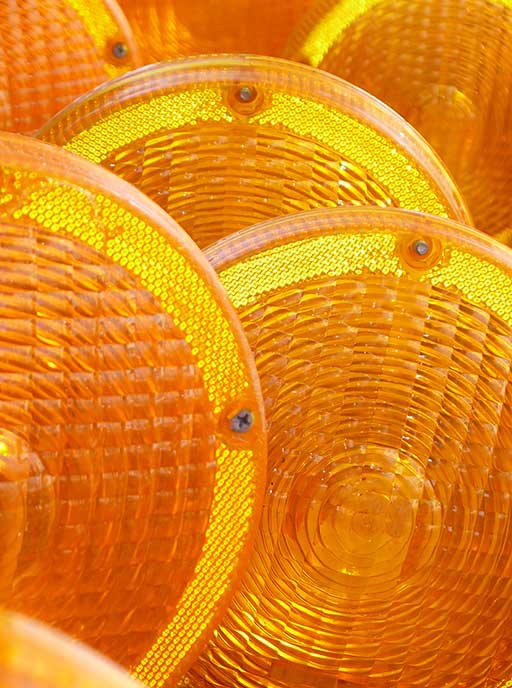
massed roadworks lights on Roncesvalles
massed roadworks lights on Roncesvalles
Pelican Peli desiccant pack, as sold by Vistek – $21.99.
40g Silica gel dehumidifier from Lee Valley – $6.95.
Can you spot the difference?
(and I’m not particularly picking on Vistek; they’re as cheap as anyone for this product when sold as a photo accessory.)
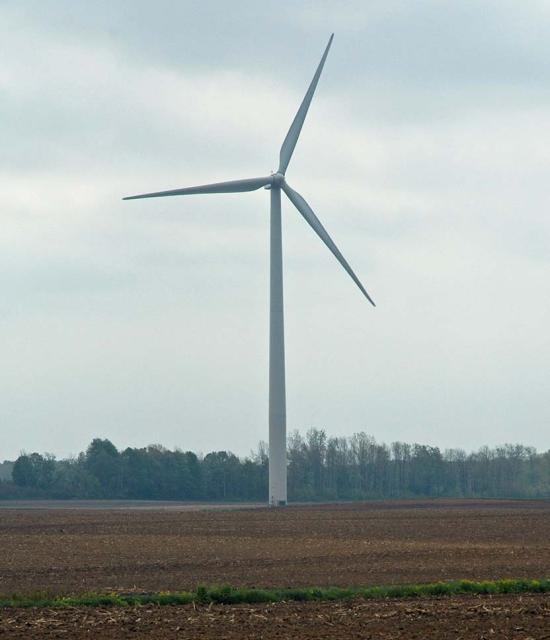
We stayed over in St Thomas the other night, and on the way back came through Erie Shores Wind Farm. I spent a lot of time working on the layout design for this project, but up until now I’ve never seen it built. Sure, I saw some holes in the ground, but nothing higher. Here’s my gallery of mediocre photos: Erie Shores Wind Farm (and man, I must clean my D70’s sensor).
There’s clearly good local acceptance of the project. The beach washrooms have been repainted with a mural that includes a wind turbine, Bayham’s building an interpretive centre, and in downtown Port Burwell, there were cars with Support Wind Energy stickers. It made me happy.
Got the RB67 back from Kominek, and they did a great job. While it still looks a bit beat-up, everything runs silky-smooth. It did cost a bit more to CLAÂ than the camera cost to buy, but I’m very happy with what they’ve done.

My Worldwide Pinhole Photography Day 02007 gallery for Worldwide Pinhole Photography Day.I made an f/90 pinhole lens for the D70 today. Results are not bad. True pinhole freaks will decry the fact that I could just sight through the SLR viewfinder, so all of the images are uncropped.
I also took a roll on my Zero 2000 120 rollfilm pinhole camera. I have to take the film into Toronto Image Works to see the results.
Man, but do pinhole lenses resolve the grot on your DSLR sensor!
 
It’s actually the UK speed camera warning sign, but it looks quite a lot like an RB67 …
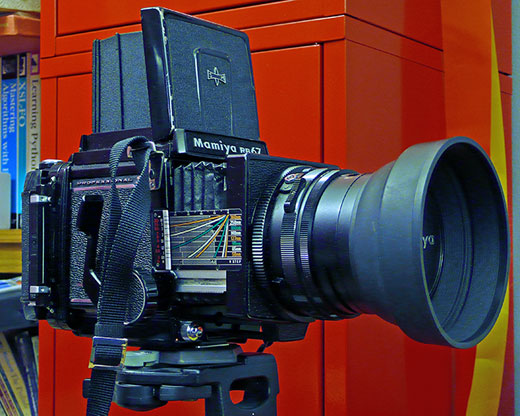
The RB-67 arrived. It’s colossal and heavy. It’ll need a CLA as the shutter release is sticky, but seems to be in okay condition for the price.

Sights: water, bluffs, rock, birds, blue sky.
Sounds: water, redwing blackbirds, grackles, geese, falling limestone.
Smells: the lighting of BBQs.
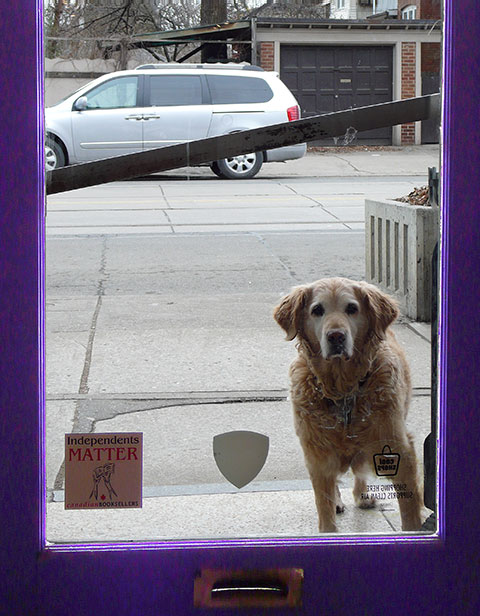
dog outside Another Story Bookshop on Roncesvalles
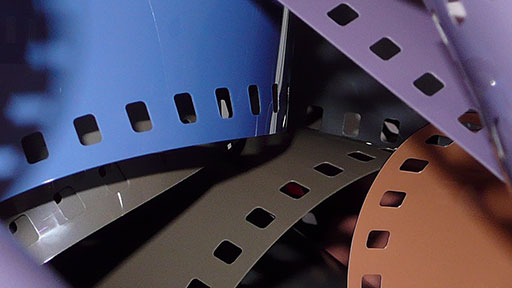
discarded film
I wrote this ages ago, but it wasn’t in the easiest to find place. I discovered today that Ilford fit inside Agfa, and – with a bit of brute force – an Ilford will fit inside an Ilford. So I made a few more of these …
I’ve often wondered why the relatively tough little metal-clad 35mm roll comes in a neat plastic case, while the bigger and more delicate 120 roll has nothing more than foil to protect it. You can buy 120 film cans, but they are expensive after-market things.
Since I also (used to) shoot 35mm, I tend to end up with a lot of empty film cans. Some brands of film, I noticed, have quite different can diameters. Fuji seems to have the narrowest, Ilford next, and then Agfa the widest. A Fuji can slips quite neatly inside an Agfa can — in fact, if you bore a small hole in the bottom of an Agfa, fill it with water, and slide a Fuji can in as a plunger, it acts as quite an effective single-shot water pistol. But I digress …
But best of all, I discovered that a Fuji can is a tight interference fit into an Ilford can. Since I knew that a 120 spool is a smaller diameter than a 35mm roll, and is less than twice the length, I knew I could do something with this.
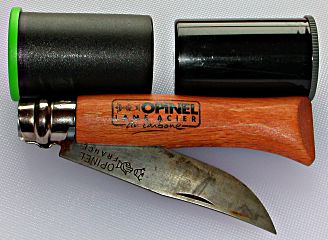
You will need:
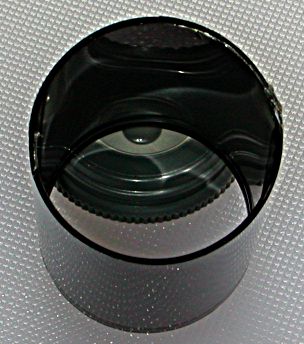
Slice the end off the Fuji can. It helps to poke a hole in the side of the can a couple of millimetres up from the end, and then start slicing where you made the hole.
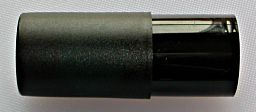
Jam the now baseless Fuji can into the Ilford can, and push it down to the desire length. It really helps if you take the lid off the Fuji can, as otherwise you’d be working against air compression. It also helps if you have a spare 120 spool handy, to check that you haven’t pushed the two cans too far in to be useful.
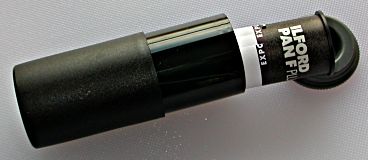
And there you are! It might be rather rough and ready, but it works. I don’t know how durable or waterproof these things are, but they’ll afford considerably more protection than having them rolling about loose in your camera bag.
CleVR does allow you to produce animated panoramas with no user input, but it has its flaws. The biggest is that, even though it’s written in Java, it only works properly under Windows.
Here’s a panorama I made earlier: A boring day at Kennedy Commons.
In approximate chronological order:

(via Karen)
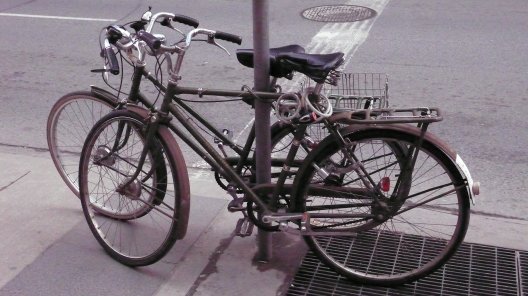
The small image doesn’t do them justice, but I saw two Raleigh Superbes locked together near Dundas on Yonge. These were the deluxe ones with the locking steering column and the front dynohub. Lovely bikes, definitely sensible.
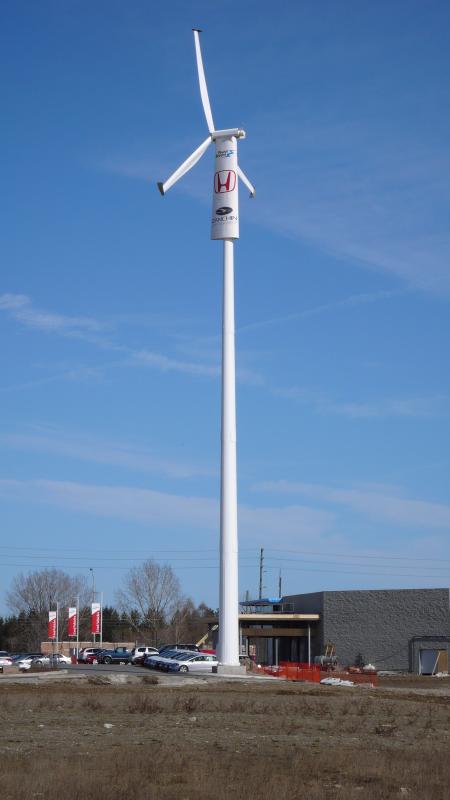
A modified AOC 15/50 wind turbine at a Honda dealership in Vaughan, ON. If you click through the link, you should be able to get to the full-sized image.
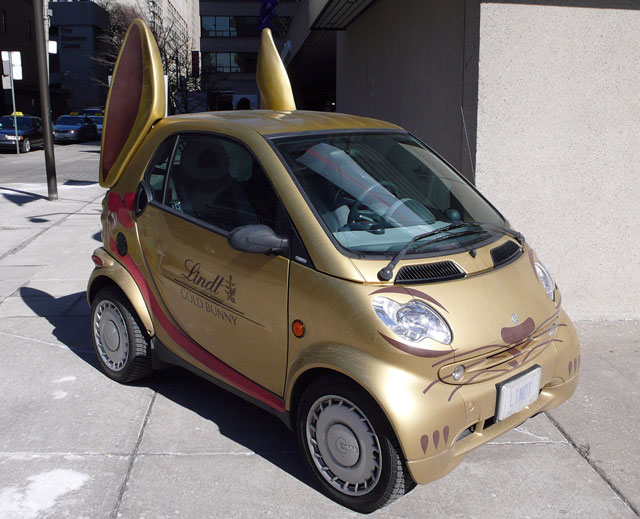
Lindt Gold Bunny ad car outside the downtown Hilton yesterday.
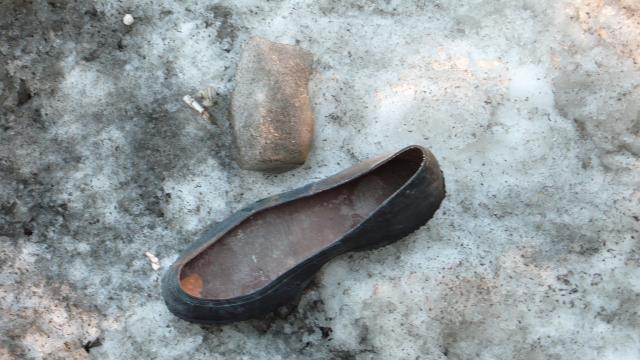
Winter is nearly over …
I’m rather taken with the Panasonic Lumix DMC-LX2. Not merely does it look like a proper camera, it doesn’t handle like a gimmicky electronic toy. I love the wide-aspect images, and it stores all the EXIF information I need for panoramas. I could do without the proprietary USB/video connector, and it would have been really nice to have auto-bracket enabled on raw shooting for exploring HDR images, but it is not a huge deal. Neatest basic function is the ability to view your pics as a calendar, each day opening up the ones you took then. Nice.
Barnack’s ghost is probably troubled by the use of the Leica name on such a frivolous device. I will be able to claim the famed “leica glow” on my shots now, though.
I’m thinking that this camera is targeted towards the sophisticated grandpa. It’s able to track the ages of two children, so your pictures can be tagged as being of Baby X at age Y. Useless? Well, someone could use it.
Oh okay … some photos are here: http://scruss.com/gallery/v/lumix_lx2/